The Methodology
Twenty-five years. One practice. The room where you go first.
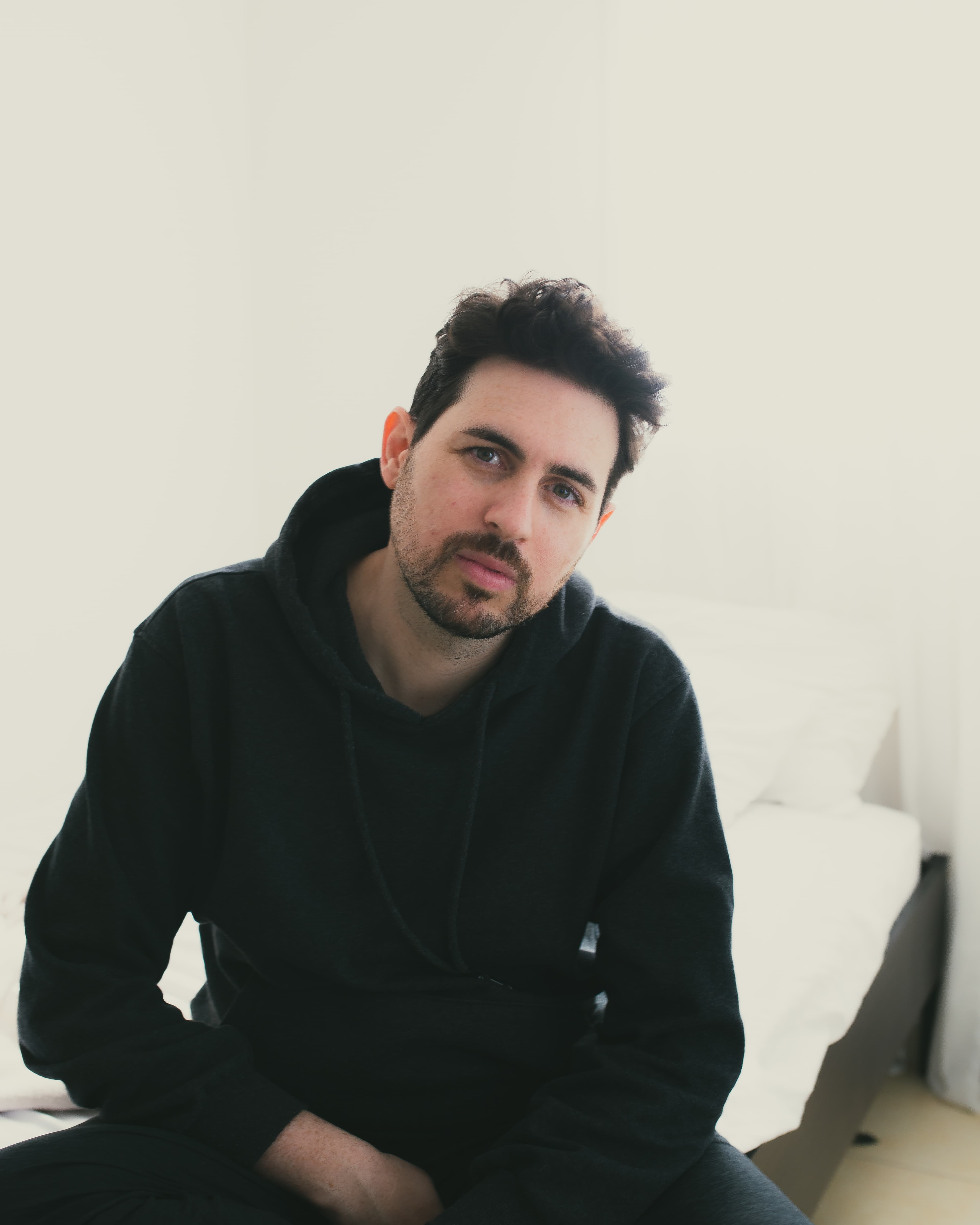
I didn't build this in a training room. I built it in bed.
Seven years horizontal. Thirty-three doctors. A body that stopped working and a system that told me I was imagining it. When you spend long enough having the truth denied, you develop an allergy to rooms where people pretend. You can feel it before you can name it: the moment someone says I'm fine and isn't. The moment a team agrees on something nobody believes.
I walk into those rooms. And I go first.
Not because I'm tough. Because I can't not.
What follows is the methodology I've been practicing since I was fifteen: as an instructor, a teacher, a paramedic trainer, a mentor, a speaker, a facilitator, a witness. I've only recently given it a name.
Testimony-Based Presence.
The Three Movements
Movement One
The Arrival
I walk in without armor.
No slides. No agenda designed to keep things controlled. No professional distance.
Every room has an implicit contract about what can be said and what can't. I break that contract the moment I enter. Not by being dramatic. By being present. Real presence, not performed presence, is rare enough in professional settings that it creates an opening before I've said a word.
The room's permission structure is set by whoever holds the most visible position. If that person is performing, the room performs. If that person is present, the room recalibrates.
Movement Two
The Testimony
I tell the truth about what happened to me.
Not the polished version. The version that still makes my hands cold when I say it. The details that make people look down because they recognize something, not my specific story, but their own. Something they've been carrying that nobody has asked about.
This is not vulnerability as performance. The distinction matters. I don't share to process. I don't share to inspire. I share because my testimony is not the content. It's the permission slip.
“Without your openness, it probably wouldn't have been so easy for us to share about ourselves either.”
Gina-Maria, OT student, Krems
Movement Three
The Field
The room changes.
Not because I change it. Because once the permission structure has collapsed, once someone has shown that honesty is survivable, the group reorganizes itself around the new possibility.
People say things they've never said in a professional context. Not because I asked them to. Because the room is different now.
“I could immediately put the spirit into practice, the same evening.”
Stefan, healthcare professional, Krems
What This Is Not
It's not facilitation.
I don't manage a process. There are no breakout groups, no flip charts, no debrief templates. The method is my presence and my testimony.
It's not coaching.
I'm not working toward individual goals. The unit of change is the room, not the person.
It's not therapy.
I'm not a therapist. If someone needs therapy, they need therapy. What I create is the moment before that. The moment something is said aloud for the first time.
It's not motivational speaking.
Motivational speakers produce a feeling. I collapse a structure. Uplift. Connection. Relief. The feeling is a byproduct, not the product.
The Lineage
This work didn't emerge in a vacuum. It belongs to a tradition.
Martin Buber distinguished the teacher who transmits from the witness who testifies. I testify. I studied his work in university and have been practicing it without knowing for twenty-five years.
David Bohm named what happens in the room when a group stops defending its assumptions and starts thinking together. He called it dialogue. I call it the field.
Edgar Schein identified that the most effective intervention in a group is not a solution but a question that comes from genuine not-knowing. My testimony is that question, asked with a body.
William Isaacs described the conditions for a dialogical field to form. TBP provides the catalytic event that triggers it.
Carl Rogers established that authenticity, not technique, is the primary condition for change in group settings.
The Latin American testimonio tradition (Beverley, Yúdice) frames personal witness as a political act that makes visible what power has rendered invisible. This is what I do in every room, regardless of audience.