
Why this, why now
The Joint Clinical Assessment doesn't care about your advisory-board photo.
Patient experience data is no longer a nice-to-have next to the clinical package — under the EU HTA Regulation, it's part of what gets assessed. Most teams have patient input somewhere in the building. Very little of it was built to survive a scientific committee asking where it actually came from.
I've spent nine years as a paramedic and ten as a patient with a chronic, largely invisible illness — I know both what real patient testimony sounds like and what a compliance exercise dressed up as one sounds like. I do the second kind of reading before an assessor does.
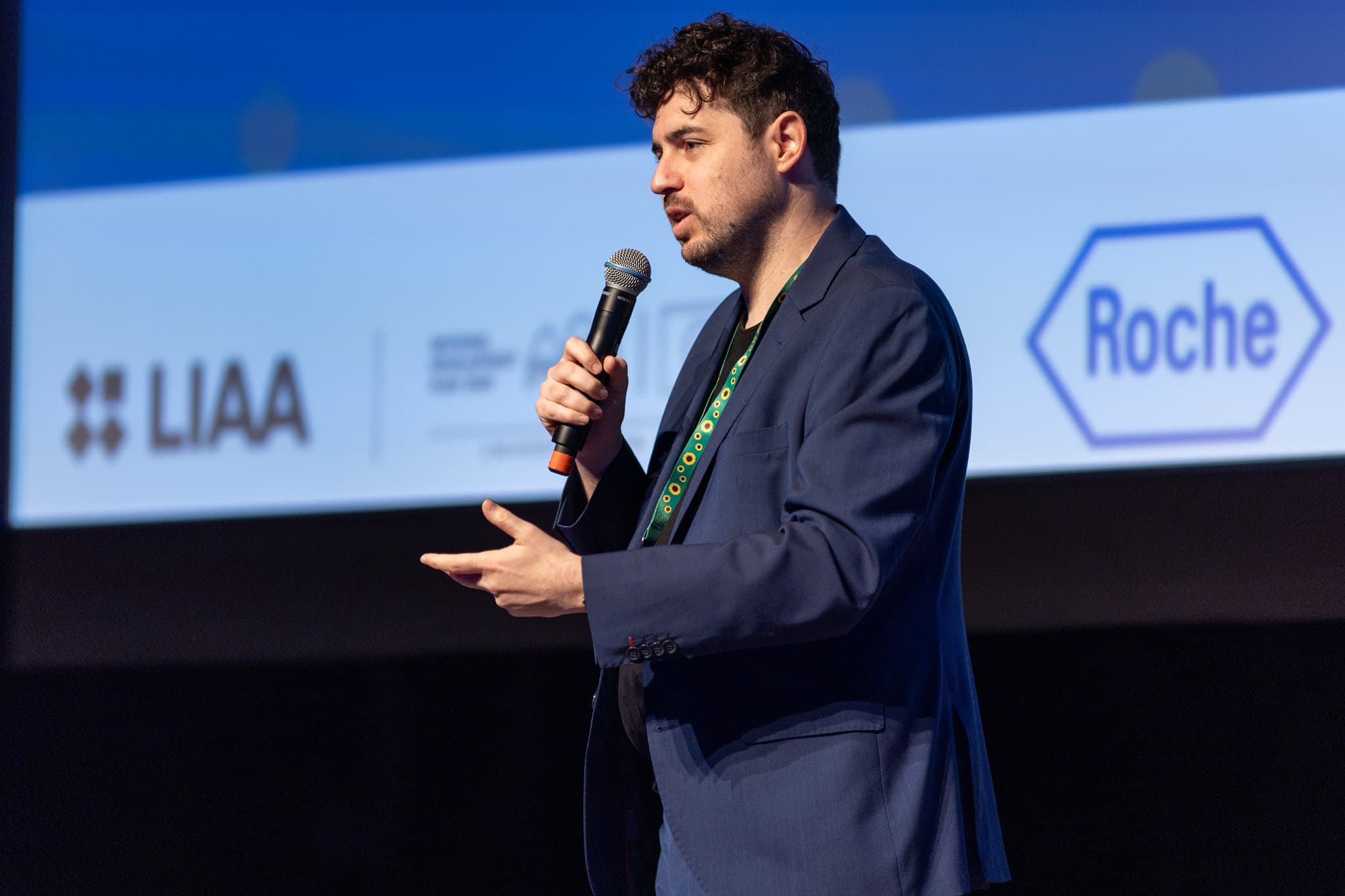
What a collaboration can look like
PED Strategy & Architecture
Scoped engagement · 4–8 weeks
How you collect, structure, and route patient experience data across the value chain — from early development through market access — so it holds together as evidence, not as anecdote. Built for the questions a scientific committee actually asks.
Best for: Teams building or rebuilding a patient experience data function.
HTA / Patient-Experience Audit
2–4 weeks · dossier or asset review
I read your existing patient input — advisory board notes, PRO data, qualitative work — the way an assessor will: for coherence, for authenticity, for the gap between what patients said and what the deck claims. You get a plain list of what survives and what doesn't.
Best for: Teams with a submission on the clock.
Advisory Board Design & Facilitation
Per board · ongoing option
Boards that generate real signal instead of a compliance photo-op. I've co-created and co-hosted these at scale — global mental health, rare and chronic disease — and I know the difference between a room that produces evidence and one that produces a group photo.
Best for: Global patient advocacy and engagement teams.
Regulatory & Payer Dossier Review
Per submission
A focused read of the patient-voice sections before they go out the door — QoL narrative, PRO framing, the parts that get picked apart in front of NICE, G-BA, or a Joint Clinical Assessment panel. Not a rewrite. A stress test.
Best for: Market access and medical affairs teams.
Mostly under NDA. English or German. I've worked with Boehringer Ingelheim, Takeda, and research consortia including the Ludwig Boltzmann Institute.
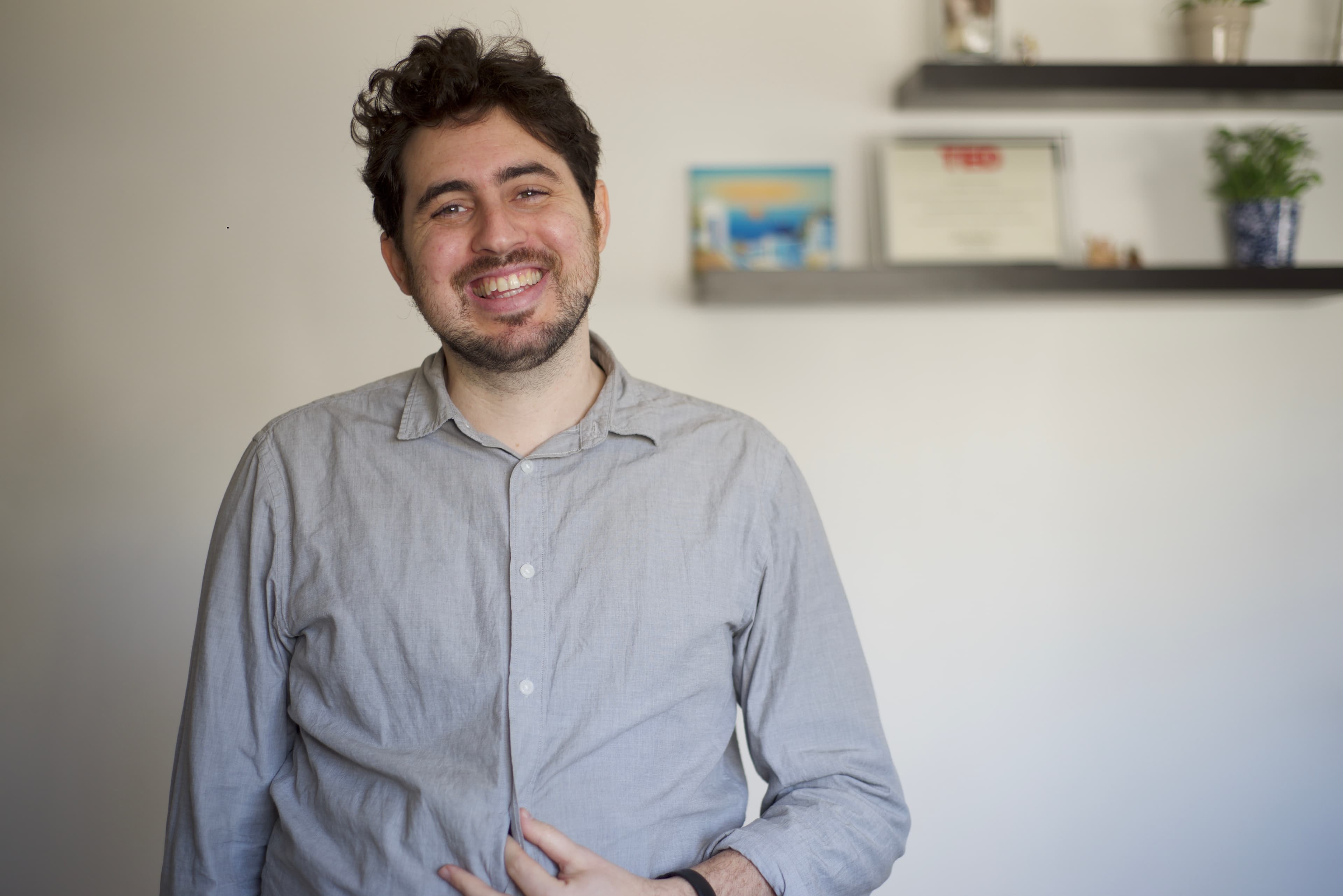
About Roi
Roi Shternin is a patient expert and research collaborator who understands the system from inside both ends — nine years as a paramedic, ten years as a patient living with a chronic, largely invisible illness. Patient in Residence at the Ludwig Boltzmann Institute. Dell Precision Ambassador for AI in health and life sciences.
He's co-created and co-hosted global patient advisory work for Boehringer Ingelheim, and brought the patient perspective into rooms at Takeda, PwC, and health systems across 27 countries. Author of 8 books.
Next step
Tell me what you're submitting, and by when.
Email talks@roishternin.com with what you've already got and what specifically you need read, built, or facilitated. The clearer you are, the faster I can tell you whether I'm the right person.
Book Roi →roishternin.com · Vienna, Austria · Available in English and German